A Residential Energy Performance Certificate (EPC) is an official document that shows how energy efficient a home is. It provides information about the property’s current energy performance and gives recommendations for improvements that could help reduce energy usage and improve comfort.
Every EPC includes an energy efficiency rating from A to G, where:
- A represents the most energy efficient properties
- G represents properties with the lowest energy efficiency
The certificate helps homeowners, buyers, landlords and tenants understand how efficiently a property uses energy and what improvements may be possible.
Why Do You Need a Residential EPC?
A Residential EPC is an important part of property ownership, renting and selling.
An EPC is commonly required when:
- Selling a residential property
- Renting out a home
- Building a new property
- Completing certain property improvements
- Assessing future energy efficiency upgrades
For landlords, having a valid EPC helps demonstrate that a rental property meets current energy efficiency requirements.
For homeowners, an EPC provides useful information about energy costs and possible improvements before selling or upgrading a property.
What Does a Residential EPC Assessment Include?
During a Residential EPC assessment, an accredited energy assessor visits the property and reviews different features that affect energy performance.
The assessment may include:
Heating Systems
The assessor checks the type, age and efficiency of heating systems, including boilers, heat pumps and heating controls.
Insulation
The property’s insulation levels are reviewed, including:
- Loft insulation
- Wall insulation
- Floor insulation
Good insulation helps reduce heat loss and improve comfort.
Windows and Doors
The assessor considers the type and condition of windows and doors, including glazing and energy efficiency features.
Lighting
The assessment reviews the property’s lighting efficiency, including the use of energy efficient lighting.
Hot Water Systems
Hot water cylinders, storage systems and controls may be assessed to understand energy performance.
Renewable Energy Features
Existing renewable technologies such as solar panels or other low carbon systems may be included within the assessment.
How Is an EPC Rating Calculated?
A property’s EPC rating is calculated using information collected during the assessment.
The rating considers factors such as:
- Property size and construction
- Heating system efficiency
- Insulation levels
- Windows and glazing
- Lighting efficiency
- Renewable energy technologies
The assessment produces two main ratings:
Energy Efficiency Rating
This shows how efficiently the property uses energy.
Environmental Impact Rating
This indicates the property’s estimated carbon emissions.
How Long Does a Residential EPC Last?
A Residential EPC is generally valid for 10 years from the date it is issued, unless a newer EPC is created during that period.
Property owners may choose to obtain a new EPC before expiry if improvements have been completed, such as:
- Installing a new boiler
- Adding insulation
- Installing solar panels
- Upgrading heating controls
A new assessment may show the impact of these improvements on the property’s energy rating.
How Can You Improve Your Residential EPC Rating?
Improving an EPC rating can help make a home more energy efficient and comfortable.
Common improvements include:
Upgrade Insulation
Improving loft, wall or floor insulation can reduce heat loss and improve energy performance.
Install Efficient Heating Systems
Replacing an older heating system with a modern efficient boiler or heat pump can improve the EPC rating.
Upgrade Windows
Energy efficient glazing can help reduce heat loss through windows.
Improve Heating Controls
Smart thermostats, thermostatic radiator valves and better heating controls can improve efficiency.
Install Renewable Energy Systems
Technologies such as solar panels can help reduce reliance on traditional energy sources.
Residential EPC Requirements for Landlords
Landlords must provide tenants with a valid EPC when renting out a residential property.
An EPC helps tenants understand:
- The property’s energy efficiency
- Expected energy performance
- Recommended improvements
Maintaining a valid EPC is an important part of responsible property management.
Residential EPC for Homeowners
Homeowners can benefit from an EPC even when they are not selling or renting their property.
An EPC can help identify:
- Areas where heat may be lost
- Potential energy improvements
- Ways to reduce energy waste
- Opportunities to improve comfort
Understanding your home’s energy performance can help you plan improvements more effectively.
Residential EPC Assessment Process
The process is simple:
Step 1: Book Your Assessment
Arrange an EPC appointment with an accredited assessor.
Step 2: Property Inspection
The assessor visits your home and reviews energy related features.
Step 3: EPC Calculation
The collected information is used to calculate the property’s energy rating.
Step 4: Receive Your Certificate
Your EPC certificate is issued with your rating and improvement recommendations.
Residential EPC FAQs
How much does a Residential EPC cost?
The cost of a Residential EPC depends on factors such as property size, location and assessment requirements.
Do all homes need an EPC?
Most homes require an EPC when being sold, rented or newly constructed.
Can I improve my EPC rating?
Yes. Improvements such as insulation upgrades, efficient heating systems and renewable technologies can improve energy performance.
Who can carry out an EPC assessment?
A Residential EPC must be completed by an accredited domestic energy assessor.
Book Your Residential EPC Assessment
A Residential EPC provides valuable information about your property’s energy performance and possible improvements.
Whether you are a homeowner, landlord, letting agent or property manager, arranging an EPC can help you understand your property’s efficiency and meet relevant requirements.
Contact Energy Performance Cert today to arrange your Residential EPC assessment across London.
📞 02033861854
✉ info@energyperformancecert.co.uk
🌐 energyperformancecert.co.uk
Need a fire risk assessment for flats in London?
Send your building details and we will help with likely scope, price and appointment availability.
Related fire safety guides
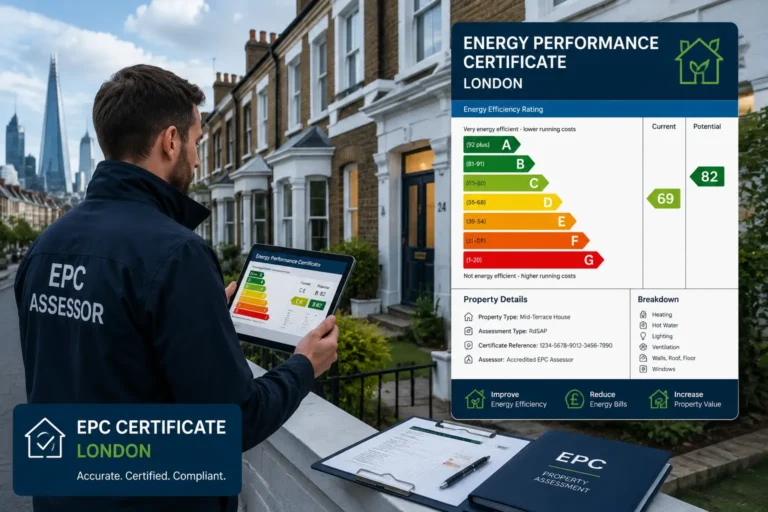
An EPC Certificate (Energy Performance Certificate) is an official document that shows the energy efficiency of a property.…
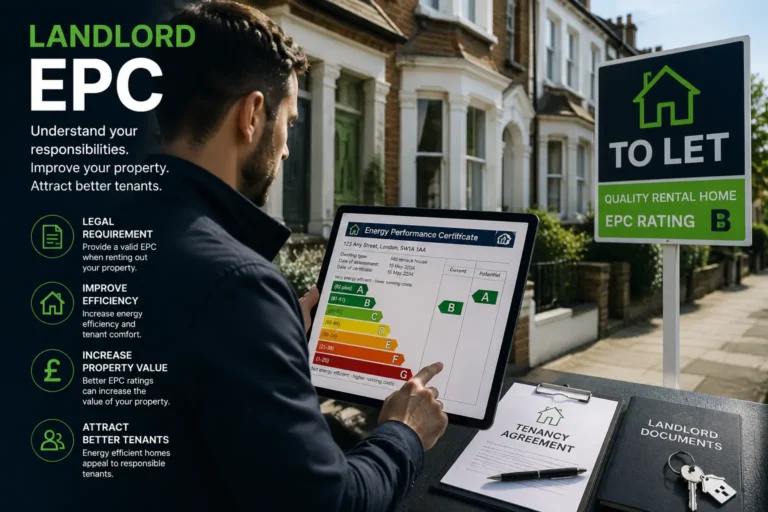
A Landlord EPC (Energy Performance Certificate) is a document that shows the energy efficiency of a rental property.…
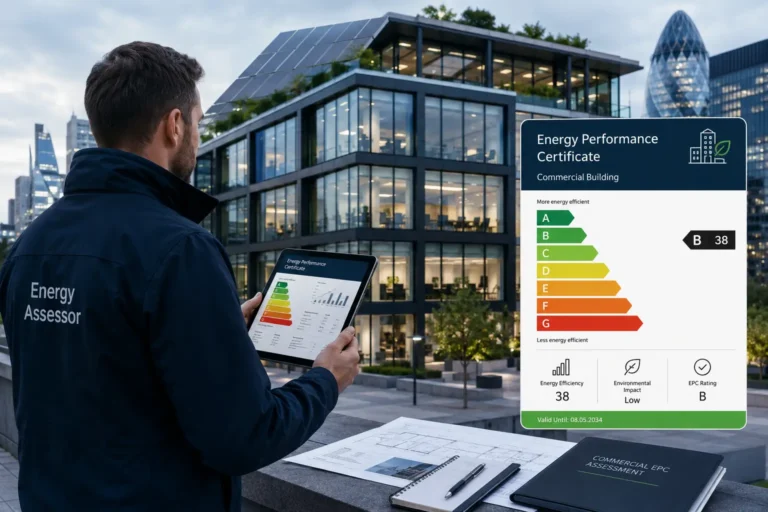
A Commercial Energy Performance Certificate (EPC) is an official document that shows the energy efficiency of a commercial…