
A Commercial Energy Performance Certificate (EPC) is an official document that shows the energy efficiency of a commercial property.
It provides an energy efficiency rating from A to G, showing how efficiently a building uses energy. The certificate also includes recommendations that may help improve the building’s energy performance and reduce energy consumption.
Commercial EPCs are required for many types of non residential buildings, including:
- Offices
- Shops and retail units
- Industrial buildings
- Warehouses
- Restaurants
- Hotels
- Public buildings
- Commercial rental properties
A Commercial EPC helps property owners, landlords, tenants and businesses understand the energy performance of a building and identify potential improvements.
Why Do You Need a Commercial EPC?
A valid Commercial EPC is an important requirement when certain commercial properties are:
- Sold
- Rented out
- Constructed
- Undergoing certain changes or improvements
The certificate provides useful information about a building’s current energy efficiency and helps prospective buyers or tenants understand expected energy performance.
For commercial landlords, maintaining EPC compliance supports responsible property management and helps meet current energy efficiency requirements.
For businesses, understanding the EPC rating can highlight opportunities to improve efficiency and reduce operating costs.
What Does a Commercial EPC Assessment Include?
During a Commercial EPC assessment, an accredited energy assessor reviews various aspects of the building that influence energy performance.
The assessment may include:
Building Structure and Construction
The assessor reviews the building’s construction type, age, size and materials to understand how efficiently it retains heat.
This may include:
- Walls
- Roofs
- Floors
- Building layout
Heating and Cooling Systems
Commercial heating and cooling systems have a major impact on energy performance.
The assessment may review:
- Boilers
- Air conditioning systems
- Heating controls
- Ventilation systems
- Temperature management systems
Lighting Systems
The assessor reviews the type and efficiency of lighting installed throughout the building.
Energy efficient lighting solutions can help reduce electricity consumption and improve EPC performance.
Insulation Levels
Insulation plays an important role in preventing heat loss.
The assessment may consider:
- Roof insulation
- Wall insulation
- Floor insulation
Windows and Glazing
Windows and doors are assessed to understand their impact on heat loss and overall building efficiency.
Factors may include:
- Glazing type
- Window efficiency
- Frame materials
Renewable Energy Features
Existing low carbon technologies may also be considered, including:
- Solar panels
- Heat pumps
- Renewable heating systems
How Is a Commercial EPC Rating Calculated?
A Commercial EPC rating is calculated using information collected during the building assessment.
The rating considers factors such as:
- Building size and usage
- Heating systems
- Cooling systems
- Lighting efficiency
- Insulation
- Energy consumption
- Renewable technologies
The final certificate provides:
Current Energy Rating
Shows the building’s existing energy performance.
Potential Energy Rating
Shows how the rating could improve if recommended measures are completed.
How Long Does a Commercial EPC Last?
A Commercial EPC is generally valid for 10 years unless a new certificate is produced earlier.
A new EPC may be required if:
- The existing certificate has expired
- Major building improvements have been completed
- Energy systems have been upgraded
- The property is being sold or rented
Keeping EPC records updated helps commercial property owners maintain compliance and understand ongoing energy performance.
Who Needs a Commercial EPC?
Commercial EPCs are commonly required by:
Commercial Landlords
Helping landlords meet energy efficiency requirements when renting business premises.
Business Owners
Providing information about the energy performance of their workplace.
Property Managers
Supporting compliance management across commercial property portfolios.
Developers
Providing EPC assessments for newly constructed or converted commercial buildings.
Investors and Property Buyers
Helping assess the energy performance of commercial property before purchase.
Benefits of Improving a Commercial EPC Rating
Improving a commercial building’s EPC rating can provide several benefits.
Lower Energy Costs
Energy efficiency improvements can help reduce unnecessary energy consumption.
Improved Workplace Comfort
Better heating, insulation and ventilation can create a more comfortable environment.
Increased Property Value
Energy efficient commercial buildings can become more attractive to buyers and tenants.
Better Environmental Performance
Reducing energy use can help lower carbon emissions.
Improved Compliance
Maintaining a suitable EPC rating helps support commercial property requirements.
How Can You Improve a Commercial EPC Rating?
Businesses and property owners can improve energy performance through various upgrades.
Common improvements include:
Upgrade Heating Systems
Replacing inefficient heating equipment with modern energy efficient systems can improve performance.
Improve Insulation
Adding or upgrading insulation can reduce heat loss.
Install Energy Efficient Lighting
LED lighting and improved controls can reduce electricity usage.
Upgrade Building Controls
Smart heating controls and energy management systems can improve efficiency.
Use Renewable Energy
Solar panels and other renewable technologies can support better EPC ratings.
Commercial EPC Assessment Process
Arranging a Commercial EPC is a straightforward process.
Step 1: Book Your Assessment
Provide your property details and arrange an appointment with an accredited assessor.
Step 2: Property Inspection
The assessor visits the building and reviews energy related features.
Step 3: Energy Assessment
Information is analysed to calculate the building’s EPC rating.
Step 4: Receive Your Certificate
You receive your Commercial EPC along with energy improvement recommendations.
Commercial EPC FAQ
How much does a Commercial EPC cost?
The cost depends on factors including:
- Property size
- Building type
- Complexity of systems
- Location
Larger and more complex buildings usually require a more detailed assessment.
Do all commercial buildings need an EPC?
Many commercial properties require an EPC when they are constructed, sold or rented. Requirements can vary depending on the building type and circumstances.
Who can complete a Commercial EPC?
A Commercial EPC must be completed by an accredited commercial energy assessor qualified to assess non domestic properties.
Can a Commercial EPC rating be improved?
Yes. Improvements such as insulation upgrades, efficient heating systems, improved lighting and renewable energy solutions can help improve energy performance.
Book Your Commercial EPC Assessment
A Commercial EPC helps property owners and businesses understand how efficiently a building uses energy and what improvements may be possible.
Whether you manage an office, retail unit, warehouse or other commercial property, arranging an EPC assessment can help support compliance and improve energy awareness.
Contact Energy Performance Cert today to arrange your Commercial EPC assessment across London.
📞 02033861854
✉ info@energyperformancecert.co.uk
🌐 energyperformancecert.co.uk
Need a fire risk assessment for flats in London?
Send your building details and we will help with likely scope, price and appointment availability.
Related fire safety guides
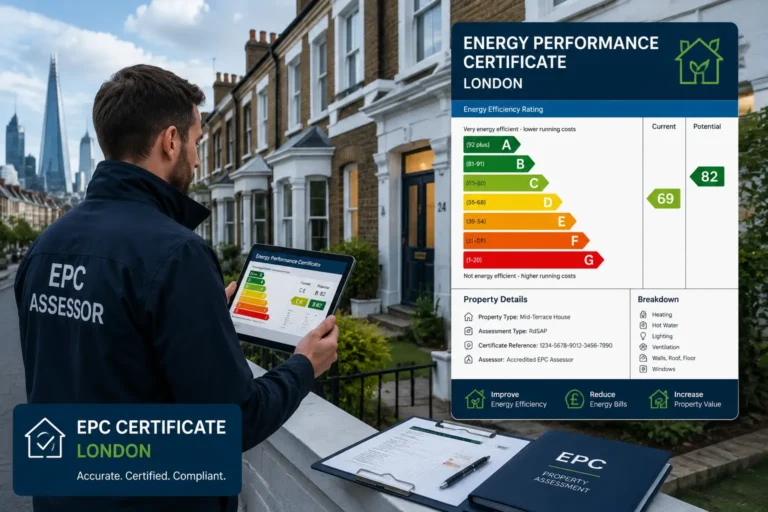
An EPC Certificate (Energy Performance Certificate) is an official document that shows the energy efficiency of a property.…
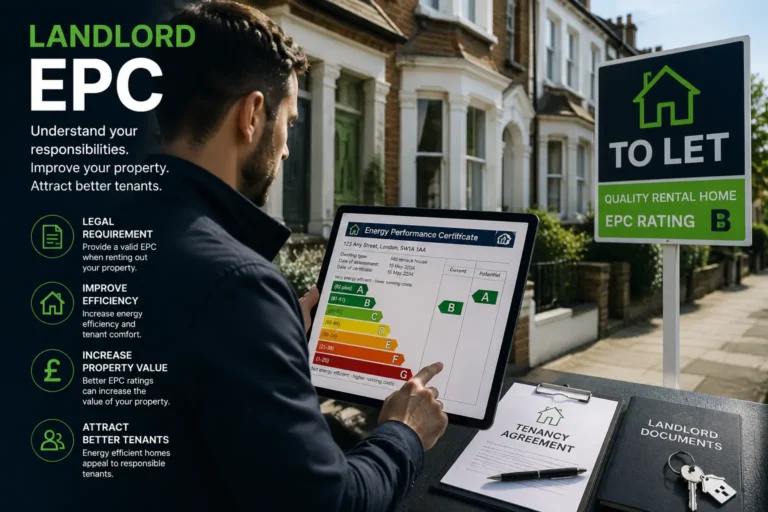
A Landlord EPC (Energy Performance Certificate) is a document that shows the energy efficiency of a rental property.…
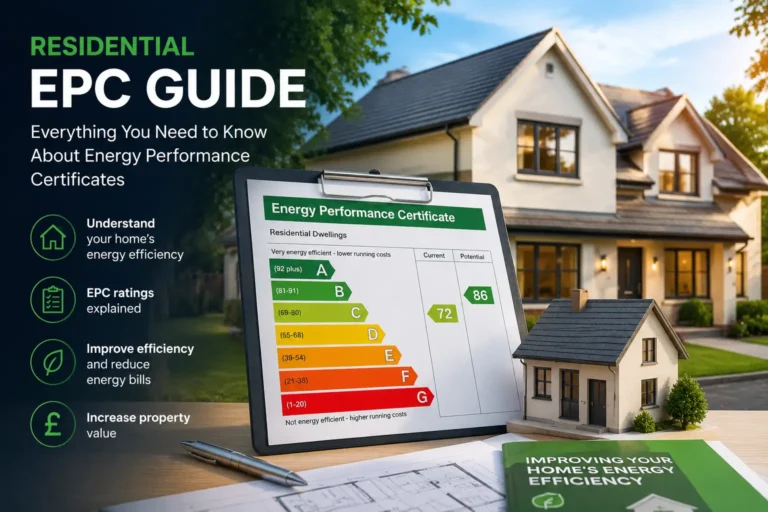
A Residential Energy Performance Certificate (EPC) is an official document that shows how energy efficient a home is.…